How is Sugar Made? The Complete Production Process from Field to Table
Sugar is one of the world's most important agricultural products, but few people understand the complex process that transforms raw sugarcane into the refined sugar we use every day. This comprehensive guide takes you through the complete journey of sugar production, from the fields to your table.
The Source: Sugarcane
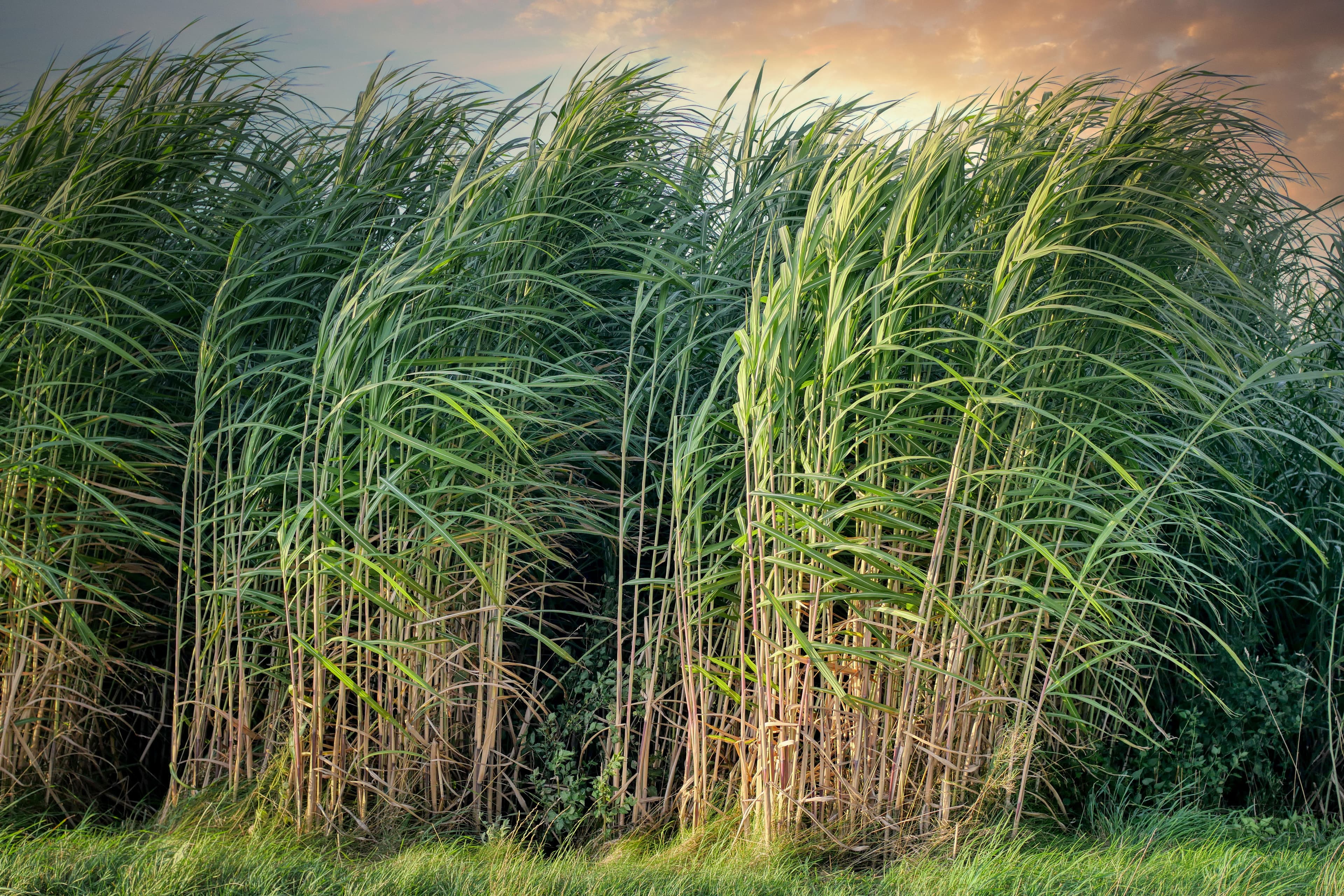
Sugarcane (Saccharum officinarum) is a tall, perennial grass that thrives in tropical and subtropical climates. Brazil, India, China, and Thailand are among the world's largest producers. The plant stores sucrose in its stalks, which can grow up to 20 feet tall.
Growing Conditions
Sugarcane requires:
- Tropical or subtropical climate
- Abundant rainfall or irrigation
- Rich, well-drained soil
- 12-18 months to mature
- Full sun exposure
Step 1: Harvesting
When to Harvest
Sugarcane is typically harvested when:
- The plant reaches 12-18 months of age
- Sugar content (Brix) is at its peak
- Weather conditions are optimal
- The cane is at maximum sucrose concentration
Harvesting Methods
Manual Harvesting:
- Traditional method using machetes
- Selective cutting of mature stalks
- Labor-intensive but precise
- Still used in many regions
Mechanical Harvesting:
- Modern combine harvesters
- Efficient for large-scale operations
- Cuts and loads cane simultaneously
- Reduces labor costs
Post-Harvest Handling
After harvesting:
- Leaves and tops are removed
- Cane must be processed quickly (within 24-48 hours)
- Delayed processing reduces sugar yield
- Transported to processing facilities
Step 2: Extraction
Washing and Preparation
Upon arrival at the mill:
- Cane is washed to remove dirt and debris
- Foreign materials are removed
- Prepared for crushing
Crushing and Milling
The extraction process:
- Cane is crushed between heavy rollers
- Juice is extracted from the fibrous material (bagasse)
- Multiple passes through rollers maximize extraction
- Bagasse is separated for other uses (fuel, paper, etc.)
Juice Collection
The extracted juice contains:
- 10-15% sucrose
- Water
- Impurities
- Natural plant materials
Step 3: Purification
Clarification
The raw juice undergoes clarification:
Heating:
- Juice is heated to kill bacteria
- Prevents fermentation
- Prepares for chemical treatment
Chemical Treatment:
- Lime (calcium hydroxide) is added
- Forms precipitates with impurities
- Adjusts pH for optimal processing
Settling:
- Impurities settle to the bottom
- Clear juice is drawn off the top
- Mud (impurities) is filtered out
Filtration
Multiple filtration stages:
- Coarse filtration removes large particles
- Fine filtration removes smaller impurities
- Results in clear, purified juice
Step 4: Evaporation
Concentration
The clarified juice is concentrated:
Multiple Effect Evaporators:
- Series of evaporators use steam efficiently
- Each stage uses steam from the previous stage
- Reduces energy consumption
- Concentrates juice to 60-70% solids
Result:
- Thick syrup called "massecuite"
- Ready for crystallization
- High sucrose concentration
Step 5: Crystallization
Boiling
The concentrated syrup is boiled:
- In vacuum pans (reduces boiling point)
- Under controlled conditions
- Sugar crystals begin to form
- Process is carefully monitored
Crystal Formation
Nucleation:
- Tiny crystals form as "seeds"
- Controlled addition of seed crystals
- Determines final crystal size
Growth:
- Crystals grow as syrup is added
- Size is controlled by temperature and time
- Uniform crystals are desired
- Process takes several hours
Centrifugation
Separation:
- Crystals are separated from molasses
- Centrifugal force spins out liquid
- White sugar crystals remain
- Molasses is collected for other uses
Step 6: Refining (For White Sugar)
Affination
Raw sugar is washed:
- With saturated sugar syrup
- Removes remaining molasses film
- Prepares for further refining
Melting and Clarification
Dissolving:
- Raw sugar is dissolved in water
- Creates a syrup for further processing
Clarification:
- Carbonation or phosphatation process
- Removes remaining impurities
- Results in very clear syrup
Decolorization
Bone Char or Activated Carbon:
- Filters remove color compounds
- Creates pure white sugar
- Multiple filtration stages
- Achieves desired whiteness (ICUMSA rating)
Recrystallization
Final Crystallization:
- Pure syrup is recrystallized
- Forms uniform white crystals
- Dried and cooled
- Ready for packaging
Step 7: Drying and Packaging
Drying
Process:
- Sugar crystals are dried
- Removes excess moisture
- Prevents clumping
- Ensures free-flowing product
Grading and Sizing
Classification:
- Sugar is graded by crystal size
- Different grades for different uses
- Fine, medium, coarse crystals
- Powdered sugar is ground further
Packaging
Final Steps:
- Packaged in various sizes
- From small consumer packages to bulk bags
- Protected from moisture
- Labeled with specifications
By-Products of Sugar Production
Bagasse
Uses:
- Fuel for power generation
- Paper and board production
- Animal feed
- Biofuel production
Molasses
Uses:
- Animal feed
- Fermentation (alcohol, vinegar)
- Food flavoring
- Industrial applications
Filter Mud
Uses:
- Fertilizer
- Soil amendment
- Compost material
Quality Control
Testing Throughout Process
Brix Measurement:
- Sugar content monitoring
- Ensures optimal processing
- Quality assurance
Purity Testing:
- Sucrose content verification
- Meets specifications
- ICUMSA rating determination
Color Analysis:
- Whiteness measurement
- Quality grading
- Specification compliance
Modern Technology
Automation
- Computer-controlled processes
- Precise temperature and pressure control
- Consistent quality
- Efficient operations
Energy Efficiency
- Co-generation from bagasse
- Waste heat recovery
- Sustainable practices
- Reduced environmental impact
Environmental Considerations
Sustainable Practices
- Water recycling
- Waste reduction
- Energy efficiency
- Carbon footprint reduction
Organic Production
- No synthetic chemicals
- Natural processing methods
- Certified organic standards
- Environmental stewardship
From Factory to Consumer
Distribution
Transportation:
- Bulk shipping
- Container loads
- Proper handling
- Quality maintenance
Storage
Requirements:
- Cool, dry conditions
- Protection from moisture
- Proper ventilation
- Quality preservation
Types of Sugar Produced
Raw Sugar
- Less refined
- Natural color
- Retains some molasses
- ICUMSA 600-1200
Refined White Sugar
- Highly refined
- Pure white
- ICUMSA 45 (highest quality)
- Standard granulated
Specialty Sugars
- Various crystal sizes
- Different grades
- Specific applications
- Custom specifications
Conclusion
The journey of sugar from field to table is a complex process involving multiple stages of extraction, purification, crystallization, and refining. Modern sugar production combines traditional knowledge with advanced technology to create high-quality products efficiently and sustainably.
Understanding how sugar is made helps us appreciate this essential ingredient and make informed choices about the products we use. At Brazil Global Sugar Manufacturers, we're committed to producing the highest quality sugar through careful attention to every step of the production process.
Contact us to learn more about our sugar production methods and premium quality products.