A Comprehensive Guide to Sweetener and Sugar Types: Everything You Need to Know
The world of sweeteners is vast and complex, with numerous types of sugar and sweetener alternatives available. Whether you're a home baker, professional chef, or food manufacturer, understanding the different types of sugar and sweeteners is essential for creating the perfect products. This comprehensive guide covers everything you need to know about sweeteners and sugar types.
Understanding Sugar Basics
Sugar, scientifically known as sucrose, is a carbohydrate that occurs naturally in many plants, most notably sugarcane and sugar beets. The sugar we use in cooking and baking is extracted and refined from these sources.
The Sugar Production Process
- Extraction: Sugar is extracted from sugarcane or sugar beets
- Purification: The raw juice is purified to remove impurities
- Crystallization: Sugar crystals are formed through evaporation
- Refinement: Further processing creates different grades and types of sugar
Types of Granulated Sugar
White Granulated Sugar
The most common type of sugar, white granulated sugar is highly refined and consists of pure sucrose crystals. It's the standard sugar used in most recipes.
Characteristics:
- Fine, uniform crystals
- Pure white color
- Neutral flavor
- Versatile for all types of cooking and baking
Best Uses:
- General baking and cooking
- Sweetening beverages
- Making syrups and preserves
Superfine Sugar (Caster Sugar)
Superfine sugar has smaller crystals than regular granulated sugar, making it dissolve faster.
Characteristics:
- Very fine crystals
- Quick dissolving
- Smooth texture
Best Uses:
- Meringues
- Cocktails
- Delicate baked goods
Coarse Sugar
Also known as decorating sugar, coarse sugar has large crystals that don't dissolve easily.
Characteristics:
- Large, visible crystals
- Sparkling appearance
- Slow to dissolve
Best Uses:
- Decorating baked goods
- Topping muffins and scones
- Creating texture
Brown Sugar Varieties
Light Brown Sugar
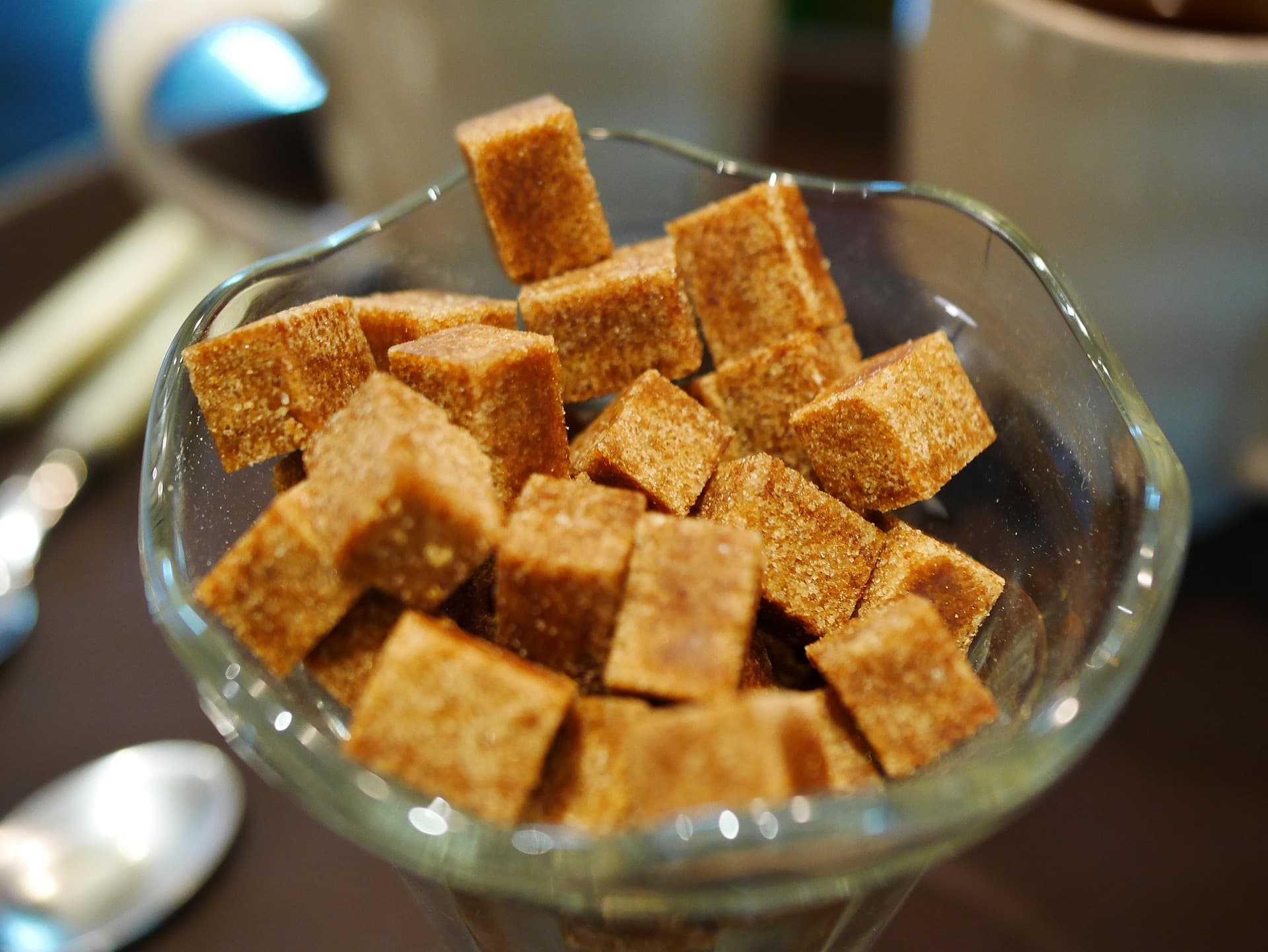
Light brown sugar contains a small amount of molasses, giving it a light caramel color and subtle molasses flavor.
Characteristics:
- Light golden-brown color
- Moist texture
- Mild molasses flavor
- 3.5% molasses content
Best Uses:
- Cookies
- Cakes
- Glazes
Dark Brown Sugar
Dark brown sugar contains more molasses than light brown sugar, resulting in a deeper color and stronger flavor.
Characteristics:
- Deep brown color
- Rich molasses flavor
- Very moist
- 6.5% molasses content
Best Uses:
- Gingerbread
- Rich desserts
- Barbecue sauces
- Baked beans
Demerara Sugar
Demerara sugar is a type of raw cane sugar with large, golden crystals and a subtle molasses flavor.
Characteristics:
- Large, golden crystals
- Slight crunch
- Natural molasses flavor
- Less refined
Best Uses:
- Coffee and tea
- Topping for baked goods
- Caramel recipes
Turbinado Sugar
Turbinado sugar is partially refined raw sugar with a light brown color and subtle molasses flavor.
Characteristics:
- Light brown color
- Large crystals
- Natural flavor
- Slight crunch
Best Uses:
- Sweetening beverages
- Topping desserts
- Natural sweetening option
Raw and Unrefined Sugars
Raw Sugar
Raw sugar is the product that results from the initial processing of sugarcane. It's less refined than white sugar but more processed than unrefined options.
Characteristics:
- Light brown color
- Natural molasses content
- Coarser texture
- More complex flavor
Best Uses:
- Natural sweetening
- Specialty baking
- Health-conscious recipes
Muscovado Sugar
Muscovado sugar is an unrefined cane sugar with a strong molasses flavor and dark color.
Characteristics:
- Very dark brown
- Strong molasses flavor
- Sticky texture
- Rich, complex taste
Best Uses:
- Rich desserts
- Spiced baked goods
- Barbecue sauces
Specialty Sugars
Powdered Sugar (Confectioners' Sugar)
Powdered sugar is granulated sugar that has been ground to a fine powder and mixed with a small amount of cornstarch.
Characteristics:
- Very fine powder
- Contains 3% cornstarch
- Quick dissolving
- Smooth texture
Best Uses:
- Frostings and icings
- Dusting desserts
- Making fondant
- Glazes
Sanding Sugar
Sanding sugar has large, clear crystals that don't dissolve when baked, creating a sparkling effect.
Characteristics:
- Large, clear crystals
- Sparkling appearance
- Doesn't dissolve
- Decorative purpose
Best Uses:
- Cookie decoration
- Cake decoration
- Creating visual appeal
Pearl Sugar
Pearl sugar consists of large, white sugar pellets that don't melt during baking.
Characteristics:
- Large, round pellets
- White color
- Doesn't melt
- Crunchy texture
Best Uses:
- Belgian waffles
- Scandinavian pastries
- Decorative toppings
Liquid Sweeteners
Honey
Honey is a natural sweetener produced by bees from flower nectar.
Characteristics:
- Varies by flower source
- Distinctive flavor
- Antibacterial properties
- Higher sweetness than sugar
Best Uses:
- Baking
- Glazes
- Natural sweetening
- Health applications
Maple Syrup
Maple syrup is made from the sap of maple trees.
Characteristics:
- Distinctive maple flavor
- Liquid form
- Grades vary by color and flavor
- Natural sweetener
Best Uses:
- Pancakes and waffles
- Baking
- Glazes
- Natural sweetening
Agave Nectar
Agave nectar comes from the agave plant and is sweeter than sugar.
Characteristics:
- Very sweet
- Low glycemic index
- Mild flavor
- Liquid form
Best Uses:
- Beverages
- Baking (with adjustments)
- Vegan recipes
Corn Syrup
Corn syrup is made from cornstarch and comes in light and dark varieties.
Characteristics:
- Prevents crystallization
- Adds moisture
- Light or dark varieties
- Thick consistency
Best Uses:
- Candy making
- Ice cream
- Preventing sugar crystallization
Artificial and Alternative Sweeteners
Stevia
Stevia is a natural, zero-calorie sweetener derived from the stevia plant.
Characteristics:
- Very sweet (200-300 times sweeter than sugar)
- Zero calories
- Natural origin
- May have aftertaste
Best Uses:
- Beverages
- Low-calorie recipes
- Diabetic-friendly options
Sucralose
Sucralose is an artificial sweetener that's heat-stable and calorie-free.
Characteristics:
- 600 times sweeter than sugar
- Zero calories
- Heat stable
- No aftertaste
Best Uses:
- Baking (with adjustments)
- Beverages
- Low-calorie products
Erythritol
Erythritol is a sugar alcohol that occurs naturally in some fruits.
Characteristics:
- 70% as sweet as sugar
- Very low calories
- No aftertaste
- Doesn't cause blood sugar spikes
Best Uses:
- Low-calorie baking
- Diabetic-friendly recipes
- Keto diets
Choosing the Right Sugar for Your Needs
For Baking
- Cakes: Granulated or superfine sugar
- Cookies: Brown sugar for chewy, granulated for crisp
- Pastries: Granulated sugar
- Frostings: Powdered sugar
For Cooking
- Sauces: Granulated or brown sugar
- Glazes: Brown sugar or honey
- Preserves: Granulated sugar
- Caramel: Granulated or demerara sugar
For Beverages
- Hot drinks: Granulated or raw sugar
- Cold drinks: Superfine sugar or simple syrup
- Cocktails: Simple syrup or superfine sugar
Storage and Handling
Storage Tips
- Store sugar in airtight containers
- Keep in a cool, dry place
- Brown sugar should be kept moist
- Powdered sugar should be sifted if clumpy
Substitution Guidelines
When substituting sugars, consider:
- Sweetness level differences
- Moisture content variations
- Flavor profile changes
- Texture impacts
Health Considerations
Natural vs. Refined
- Natural sugars retain some nutrients
- Refined sugars are pure sucrose
- Both provide calories and energy
- Moderation is key for all sugars
Glycemic Index
Different sugars have different effects on blood sugar:
- White sugar: High glycemic index
- Raw sugar: Similar to white sugar
- Honey: Moderate glycemic index
- Agave: Lower glycemic index
Conclusion
Understanding the different types of sugar and sweeteners is essential for successful cooking and baking. Each type has unique characteristics that make it suitable for specific applications. Whether you're looking for the perfect sugar for your recipe or exploring healthier alternatives, this guide provides the knowledge you need to make informed choices.
At Brazil Global Sugar Manufacturers, we offer a wide range of premium sugar products to meet all your needs. From ICUMSA 45 white refined sugar to raw sugar varieties, we provide the highest quality products for your culinary endeavors.