10 Most Common Types of Sugar and Their Uses: A Complete Guide
Sugar comes in many forms, each with unique characteristics that make it suitable for specific culinary applications. Understanding the different types of sugar and their uses is essential for successful cooking and baking. This guide covers the 10 most common types of sugar and how to use them effectively.
1. Granulated White Sugar
Granulated white sugar is the most common and versatile type of sugar. It's made from refined sugarcane or sugar beets and consists of pure sucrose crystals.
Characteristics:
- Fine, uniform white crystals
- Neutral flavor
- Free-flowing texture
- Highly refined
Best Uses:
- General baking (cakes, cookies, muffins)
- Sweetening beverages
- Making preserves and jams
- Standard recipe requirements
- Creating syrups
Substitution: Can be used in place of most other sugars, though texture and flavor may vary.
2. Brown Sugar (Light and Dark)
Brown sugar is granulated sugar with molasses added back in. Light brown sugar contains about 3.5% molasses, while dark brown sugar contains about 6.5%.
Characteristics:
- Moist, clumpy texture
- Caramel-like flavor
- Rich brown color
- Higher moisture content
Best Uses:
- Chewy cookies (chocolate chip, oatmeal)
- Rich cakes and quick breads
- Barbecue sauces and glazes
- Baked beans
- Caramel recipes
- Gingerbread and spiced baked goods
Storage Tip: Keep in an airtight container with a piece of bread or apple to maintain moisture.
3. Powdered Sugar (Confectioners' Sugar)
Powdered sugar is granulated sugar that has been ground to a fine powder and mixed with about 3% cornstarch to prevent clumping.
Characteristics:
- Very fine powder texture
- Quick dissolving
- Smooth consistency
- Contains anti-caking agent
Best Uses:
- Frostings and icings
- Whipped cream sweetening
- Dusting desserts
- Making fondant
- Glazes for donuts and pastries
- No-bake desserts
Tip: Always sift before using to remove any lumps.
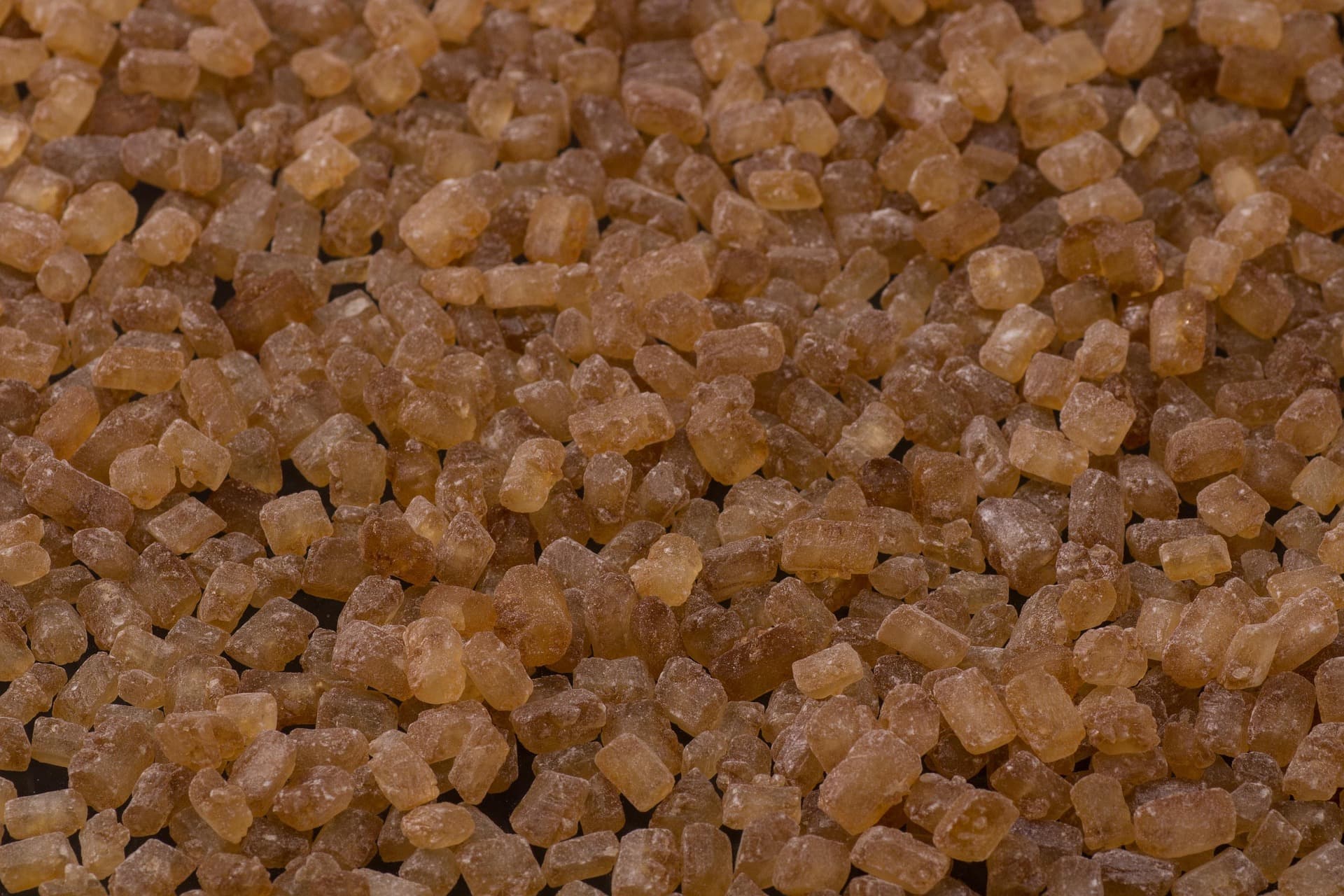
4. Raw Sugar (Turbinado/Demerara)
Raw sugar is less refined than white sugar, retaining some of the natural molasses and minerals from sugarcane.
Characteristics:
- Large, golden crystals
- Slight molasses flavor
- Natural appearance
- Slight crunch when used as topping
Best Uses:
- Sweetening coffee and tea
- Topping for muffins and scones
- Decorative purposes
- Natural sweetening option
- Caramel making
- Health-conscious recipes
Note: While often marketed as "healthier," raw sugar has similar nutritional value to white sugar.
5. Superfine Sugar (Caster Sugar)
Superfine sugar has smaller crystals than regular granulated sugar, making it dissolve more quickly.
Characteristics:
- Very fine crystals
- Quick dissolving
- Smooth texture
- Similar to granulated but finer
Best Uses:
- Meringues (dissolves completely)
- Cocktails and beverages
- Delicate baked goods
- Making simple syrups
- Recipes requiring quick dissolution
DIY Tip: You can make superfine sugar by processing regular granulated sugar in a food processor.
6. Coarse Sugar (Sanding Sugar)
Coarse sugar has large crystals that don't dissolve easily, making it perfect for decoration.
Characteristics:
- Large, visible crystals
- Sparkling appearance
- Slow to dissolve
- Decorative purpose
Best Uses:
- Decorating cookies
- Topping muffins and scones
- Creating texture on baked goods
- Visual appeal in desserts
- Sparkling effects
Varieties: Available in white and various colors for festive decorations.
7. Muscovado Sugar
Muscovado sugar is an unrefined cane sugar with a strong molasses flavor and dark, sticky texture.
Characteristics:
- Very dark brown color
- Strong molasses flavor
- Sticky, moist texture
- Rich, complex taste
- Less refined
Best Uses:
- Rich, dark desserts
- Spiced baked goods
- Barbecue sauces
- Marinades
- Recipes requiring deep molasses flavor
- Specialty baking
Substitution: Can replace dark brown sugar, but has a stronger flavor.
8. Pearl Sugar (Nib Sugar)
Pearl sugar consists of large, white sugar pellets that don't melt during baking.
Characteristics:
- Large, round pellets
- White color
- Doesn't melt
- Crunchy texture
- Decorative
Best Uses:
- Belgian waffles (traditional)
- Scandinavian pastries
- Decorative toppings
- Creating texture
- Specialty European baking
Availability: May be harder to find but available in specialty stores.
9. Coconut Sugar
Coconut sugar is made from the sap of coconut palm trees and has gained popularity as a natural alternative.
Characteristics:
- Light brown color
- Caramel-like flavor
- Lower glycemic index than white sugar
- Natural origin
- Granular texture
Best Uses:
- Natural sweetening
- Health-conscious baking
- Asian-inspired recipes
- Alternative to brown sugar
- Vegan recipes
Note: Has a distinct flavor that may not work in all recipes.
10. Liquid Sugar (Simple Syrup)
While not a "type" of sugar in the traditional sense, simple syrup is an important sugar preparation used in many applications.
Characteristics:
- Liquid form
- Easy to mix
- Quick dissolving
- Various concentrations
Best Uses:
- Cocktails and beverages
- Icing cakes
- Sweetening cold drinks
- Making sorbets
- Professional baking applications
Making Simple Syrup:
- Equal parts sugar and water
- Heat until sugar dissolves
- Cool before using
- Can be stored in refrigerator
Choosing the Right Sugar
For Texture
- Tender/Crumbly: Granulated sugar
- Chewy: Brown sugar
- Smooth: Powdered sugar
- Crispy: Granulated sugar
For Flavor
- Neutral: White granulated sugar
- Caramel/Molasses: Brown sugar, muscovado
- Natural: Raw sugar, coconut sugar
- Complex: Dark brown sugar, muscovado
For Appearance
- White/Neutral: Granulated, powdered
- Golden: Raw sugar, light brown
- Dark: Dark brown, muscovado
- Decorative: Coarse, pearl sugar
Storage Tips
General Guidelines
- Store in airtight containers
- Keep in cool, dry place
- Protect from moisture
- Brown sugar needs extra moisture
- Powdered sugar should be sifted if clumpy
Brown Sugar Storage
- Keep in airtight container
- Add bread or apple slice to maintain moisture
- Can be revived if hardened by microwaving with damp paper towel
Substitution Guide
Common Substitutions
- 1 cup granulated = 1 cup superfine (with texture differences)
- 1 cup granulated = 1 cup raw sugar (with flavor differences)
- 1 cup brown = 1 cup white + 1-2 tbsp molasses
- 1 cup powdered = 1 cup granulated (ground, but affects texture)
Important Notes
- Substitutions may affect texture, flavor, and appearance
- Some recipes are sensitive to sugar type
- Test substitutions in small batches first
- Consider the role of sugar in the recipe
Health Considerations
Nutritional Differences
- All sugars provide similar calories (about 4 per gram)
- Raw sugar contains trace minerals (negligible amounts)
- Processing level doesn't significantly affect nutrition
- Moderation is key for all types
Glycemic Impact
- Most sugars have similar glycemic indexes
- Coconut sugar may have slightly lower GI
- Overall impact depends on quantity consumed
- Consider total carbohydrate intake
Professional Tips
- Measure Accurately: Use proper measuring techniques
- Understand Function: Know why each sugar is used
- Don't Over-Substitute: Some recipes need specific sugars
- Store Properly: Maintain quality through proper storage
- Experiment Carefully: Test substitutions in small batches
Conclusion
Understanding the different types of sugar and their specific uses is essential for successful cooking and baking. Each type brings unique characteristics to your recipes, affecting texture, flavor, appearance, and overall quality. By choosing the right sugar for each application, you can achieve better results and create more delicious baked goods and dishes.
At Brazil Global Sugar Manufacturers, we offer a wide range of premium sugar products to meet all your culinary needs. From ICUMSA 45 white refined sugar to raw sugar varieties, we provide the highest quality products for professional and home use.
Contact us to learn more about our sugar products and find the perfect type for your specific needs.